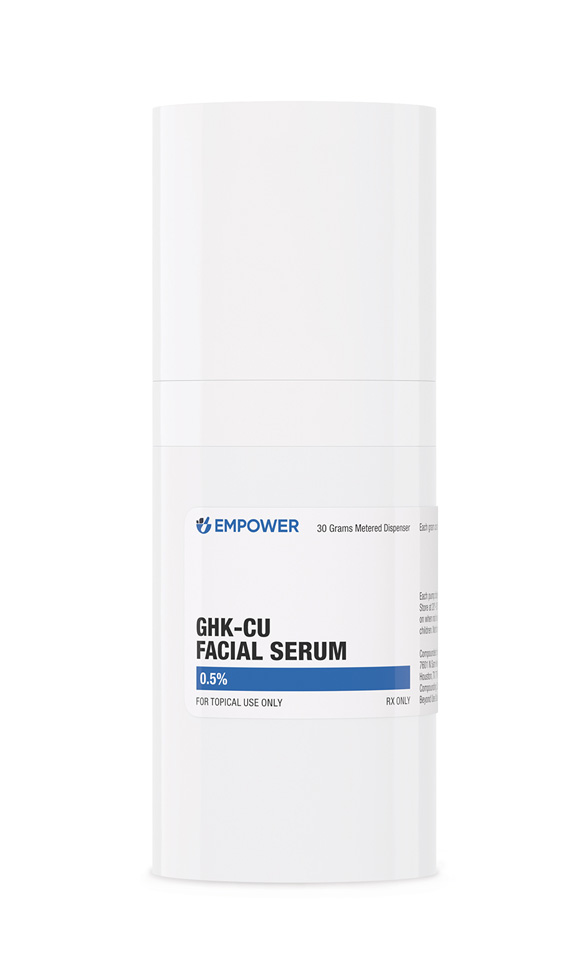
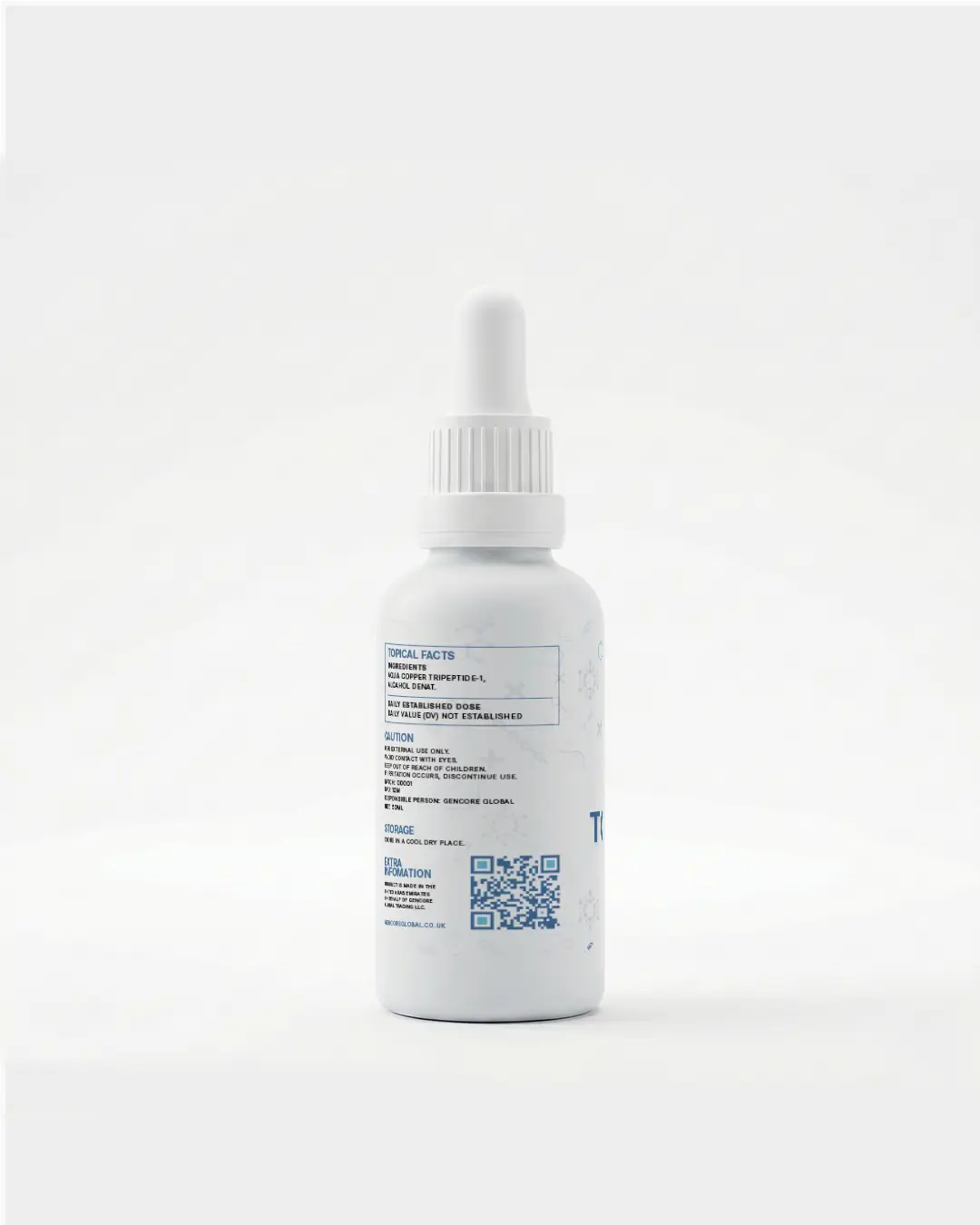
how to use topical ghk cu GHK-Cu Facial Serum Topical GHK-cu - Gencore Global
Description
The purpose of research chemicals is for controlled, ethical study in a laboratory setting, not for unsupervised use in the locker room
adjust loading amounts if needed Duration Studies: Long half-lives enable chronic treatment studies (weeks to months) Washout Periods: Allow adequate washout between treatments (minimum 3-5 half-lives, ~3-5 weeks) Temporal Considerations: Acute effects: Assess within hours of first administration Sub-chronic effects: Evaluate after multiple administrations (1-2 weeks) Chronic effects: Assess after steady-state achievement (4+ weeks) Time-course studies: Multiple time points to characterize onset, peak, and offset Circadian considerations: Account for diurnal metabolic rhythms in timing of measurements Model System Selection: In Vitro Systems: Receptor Binding Assays: Competitive binding to amylin and GLP-1 receptors Cell-Based Assays: CHO, HEK293, or other cells expressing recombinant receptors Primary Cell Cultures: Pancreatic islets, hypothalamic neurons, adipocytes Functional Assays: cAMP accumulation, calcium mobilization, insulin secretion Signaling Pathway Studies: ERK, AKT, PKA, CREB, other downstream pathways Ex Vivo Systems: Isolated Islet Perifusion: Glucose-stimulated insulin secretion studies Tissue Explants: Adipose tissue, hypothalamic slices for signaling studies Gastric Fundus Strips: Smooth muscle contractility and gastric motility research In Vivo Models: Metabolic Disease Models: Diet-induced obesity (DIO), ob/ob mice, db/db mice, ZDF rats Diabetes Models: STZ-induced diabetes, NOD mice, partial pancreatectomy Species Selection: Mice, rats (C57BL/6J, Sprague-Dawley, Wistar common strains) Genetic Models: Various knockout, knock-in, transgenic lines for mechanistic studies Normal Animals: Lean controls for baseline pharmacology characterization Outcome Measurements: Metabolic Assessments: Glucose tolerance tests (OGTT, IPGTT), insulin tolerance tests (ITT) Metabolic caging: Food intake, water intake, energy expenditure, RER, activity Body weight tracking, body composition (MRI, DEXA, EchoMRI) Plasma analyses: Glucose, insulin, glucagon, C-peptide, lipids, hormones Tissue analyses: Liver triglycerides, muscle glycogen, adipose tissue weights Gastrointestinal Function: Gastric emptying (acetaminophen absorption, 13C breath tests, scintigraphy) Food intake (meal patterns, microstructure analysis) Fecal output (as indicator of digestion and transit) Mechanistic Studies: Gene expression: RT-qPCR, RNA-seq in relevant tissues Protein expression: Western blot, immunohistochemistry Histology: Pancreatic islet morphometry, adipocyte sizing, liver steatosis Signaling: Phosphorylation status of key pathway intermediates Receptor Specificity Studies: Use of selective receptor antagonists (if available) to dissect mechanisms Knockout/knockdown models to eliminate specific receptor contributions Receptor localization studies (immunohistochemistry, autoradiography) Synergy Assessment: Statistical interaction analysis (factorial designs, ANOVA with interaction terms) Isobologram analysis for quantitative synergy determination concentration-response surface modeling Comparison with predicted additive effects Compliance and Safety Information Regulatory Status: The Cagrilintide + Semaglutide Blend is provided as a research chemical formulation for in-vitro laboratory studies and preclinical research only

If the precipitation step is conducted in 2-mL tubes, our recommendation is to suspend the protein pellets in 100 L 6 mol/L urea buffer, and then transfer the protein from the tube to a 96-well plate for downstream dilution, digestion, and purification

Antibacterial synthetic peptides derived from bovine lactoferricin exhibit cytotoxic effect against MDA-MB-468 and MDA-MB-231 breast cancer cell lines