FREE SHIPPING ON ORDERS OVER $150

glutathione in liver diseases and hepatotoxicity disulfide sensitizes hepatocytes to TNFα-mediated cytotoxicity via IKK-β S-glutathionylation: a potential mechanism underlying non-alcoholic fatty disease The Role of Glutathione Metabolism

$25.37

Quantity
- +
Description

Arsenic sources:&drinking water,&rice, and&shellfish.&Arsenic levels vary by geography, with some areas naturally containing higher levels than others
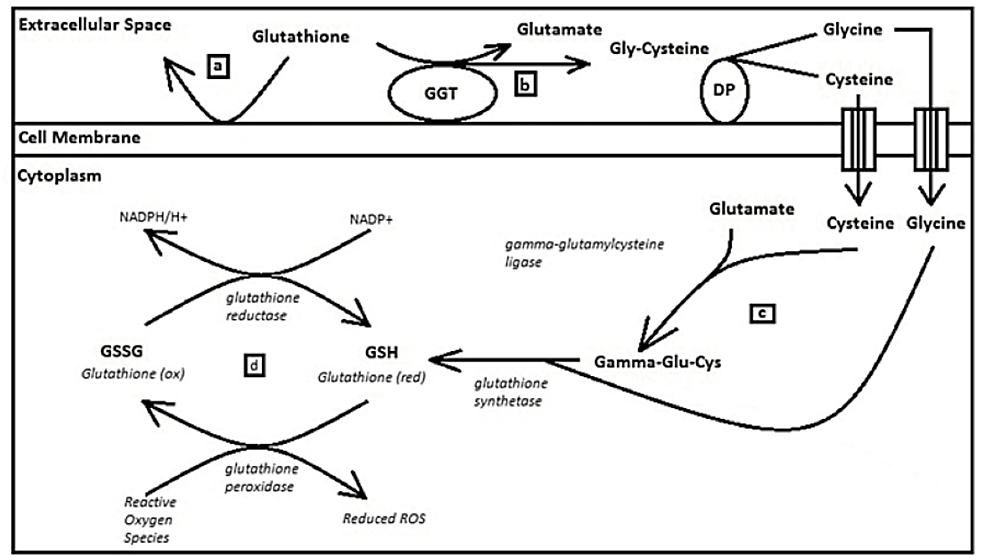
glutathione in liver diseases and hepatotoxicity disulfide sensitizes hepatocytes to TNF-mediated cytotoxicity via IKK- S-glutathionylation: a potential mechanism underlying non-alcoholic fatty disease The Role of Glutathione Metabolism

Methods Enzymol 401:449467 Lyu RC, Hu HY, Kuo LY, Lo HF, Ong PL, Chang HP, Lin LL (2009) Role of the conserved Thr399 and Thr417 residues of Bacillus licheniformis gamma-glutamyltranspeptidase as evaluated by mutational analysis

glutathione in liver diseases and hepatotoxicity disulfide sensitizes hepatocytes to TNF-mediated cytotoxicity via IKK- S-glutathionylation: a potential mechanism underlying non-alcoholic fatty disease The Role of Glutathione Metabolism

Active ADAM10 cleaves the extracellular domain of GPVI, triggers platelet secretion, and impairs the subsequent events of platelet activation, such as platelet aggregation and adhesion to fibrinogen and vWF (94, 95)

glutathione in liver diseases and hepatotoxicity disulfide sensitizes hepatocytes to TNF-mediated cytotoxicity via IKK- S-glutathionylation: a potential mechanism underlying non-alcoholic fatty disease The Role of Glutathione Metabolism

Systemic drug administration struggles to precisely target affected brain regions and easily disrupts systemic iron homeostasis
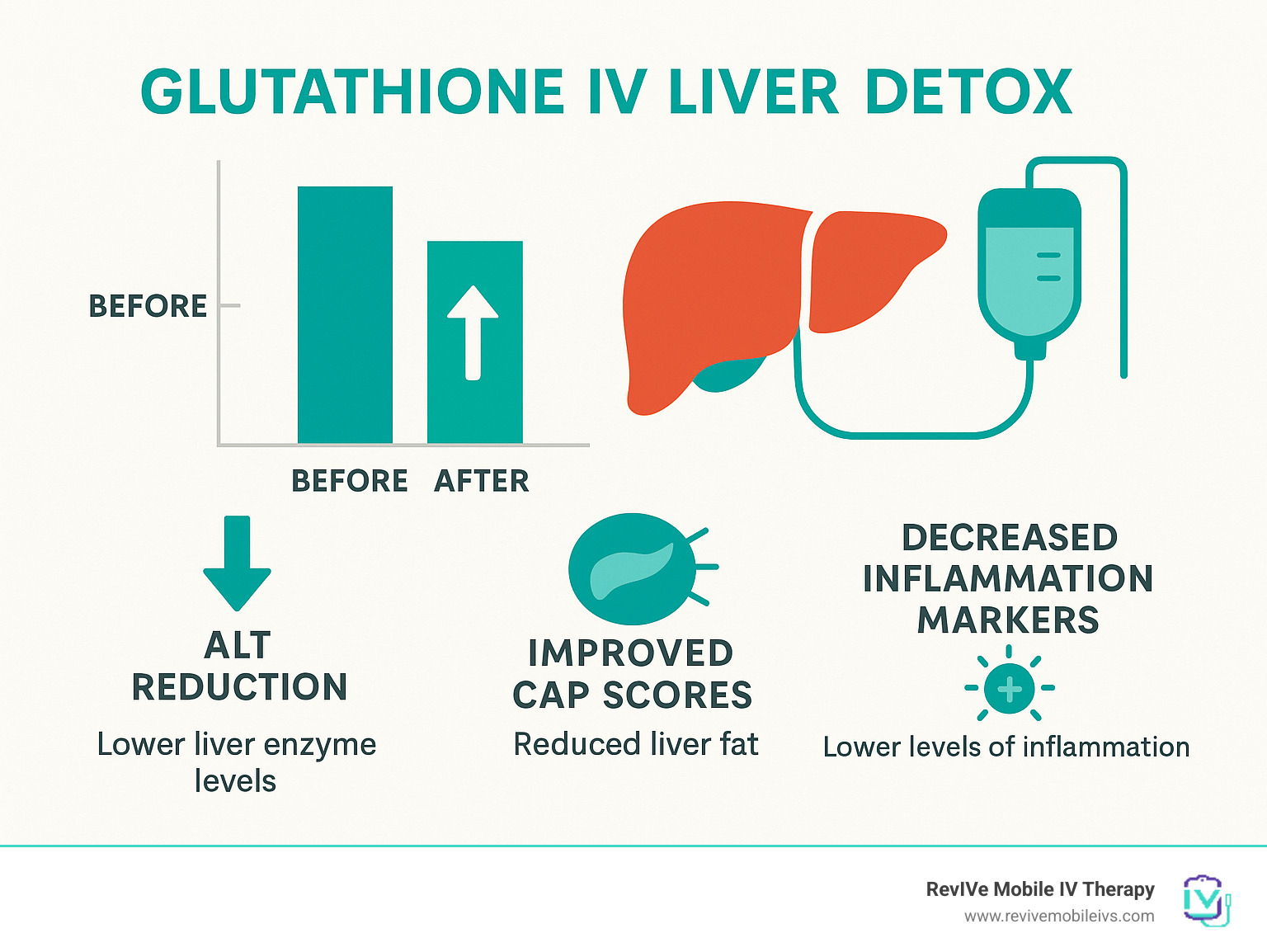
glutathione in liver diseases and hepatotoxicity disulfide sensitizes hepatocytes to TNF-mediated cytotoxicity via IKK- S-glutathionylation: a potential mechanism underlying non-alcoholic fatty disease The Role of Glutathione Metabolism

You may also like

recommand products