FREE SHIPPING ON ORDERS OVER $150

glutathione is nucleophilic or electrophilic in Skin Aging and Tissue Regeneration: A Systematic Review of Molecular Mechanisms, Redox Modulation, and Biomedical Implications Reactivity of Acrylamides Causes Cytotoxicity

$23.17

Quantity
- +
Description

[DOI] [PMC free article] [PubMed] [Google Scholar] 13.Lv T., Cao W., Li T

glutathione is nucleophilic or electrophilic in Skin Aging and Tissue Regeneration: A Systematic Review of Molecular Mechanisms, Redox Modulation, and Biomedical Implications Reactivity of Acrylamides Causes Cytotoxicity

In addition, these regions have increased endothelial cell senescence and apoptosis as evidenced by ER stress markers (12-14)
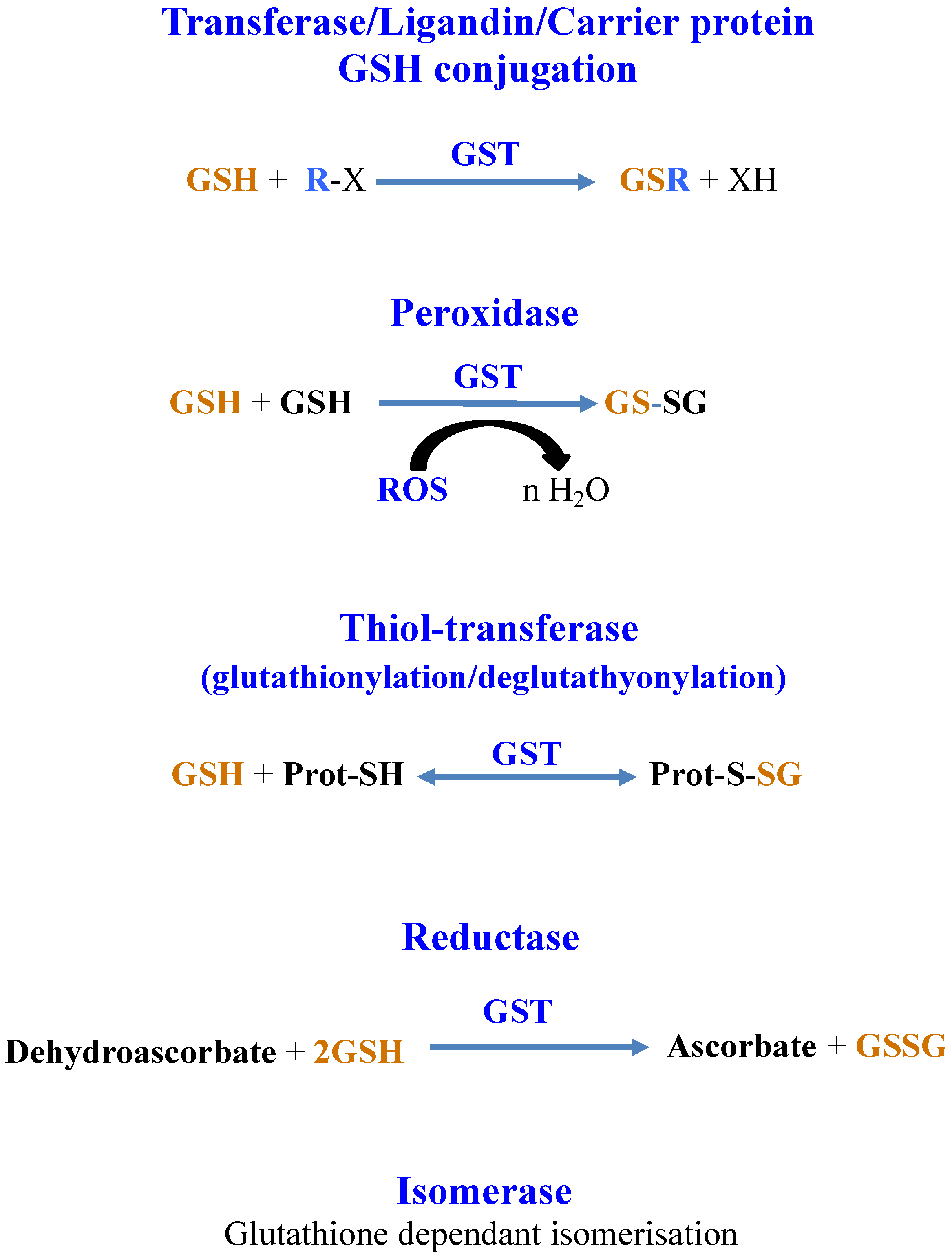
glutathione is nucleophilic or electrophilic in Skin Aging and Tissue Regeneration: A Systematic Review of Molecular Mechanisms, Redox Modulation, and Biomedical Implications Reactivity of Acrylamides Causes Cytotoxicity

There now exists a sizable quantity of data suggesting that antioxidants can help cancer cells much like they help normal cells, says Zachary Schafer, a biologist at the University of Notre Dame, who was not involved in the new study

glutathione is nucleophilic or electrophilic in Skin Aging and Tissue Regeneration: A Systematic Review of Molecular Mechanisms, Redox Modulation, and Biomedical Implications Reactivity of Acrylamides Causes Cytotoxicity

At T2, a significant increase in all measured vitamin levels (B6, folic acid and B12) was observed

glutathione is nucleophilic or electrophilic in Skin Aging and Tissue Regeneration: A Systematic Review of Molecular Mechanisms, Redox Modulation, and Biomedical Implications Reactivity of Acrylamides Causes Cytotoxicity

You may also like

recommand products