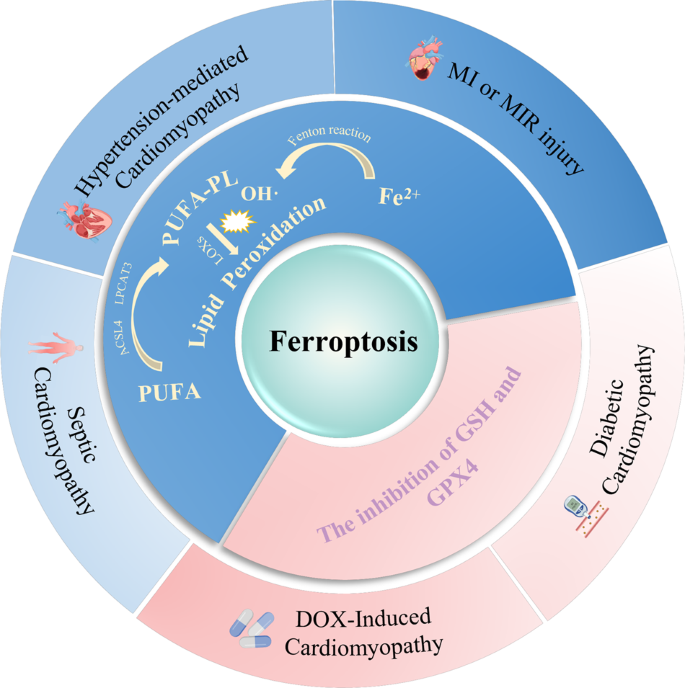
paraxanthine elevates catalase glutathione system enhancement for cardiac protection: pharmacological options against oxidative stress and ferroptosis Most people think caffeine gives
Description
Understanding cellular redox homeostasis: a challenge for precision medicine

ML175 and KT53 are two potent and selective -chloroacetamide GSTO1 inhibitors that are able to covalently modify the cysteine residue (Cys32) of GSTO1 (Figure 12B,C) [210,211]

Transamination can thus be linked to deamination, effectively allowing nitrogen from the amine groups of amino acids to be removed, via glutamate as an intermediate, and finally excreted from the body in the form of urea
The Keap1/Nrf2 pathway in health and disease: From the bench to the clinic


