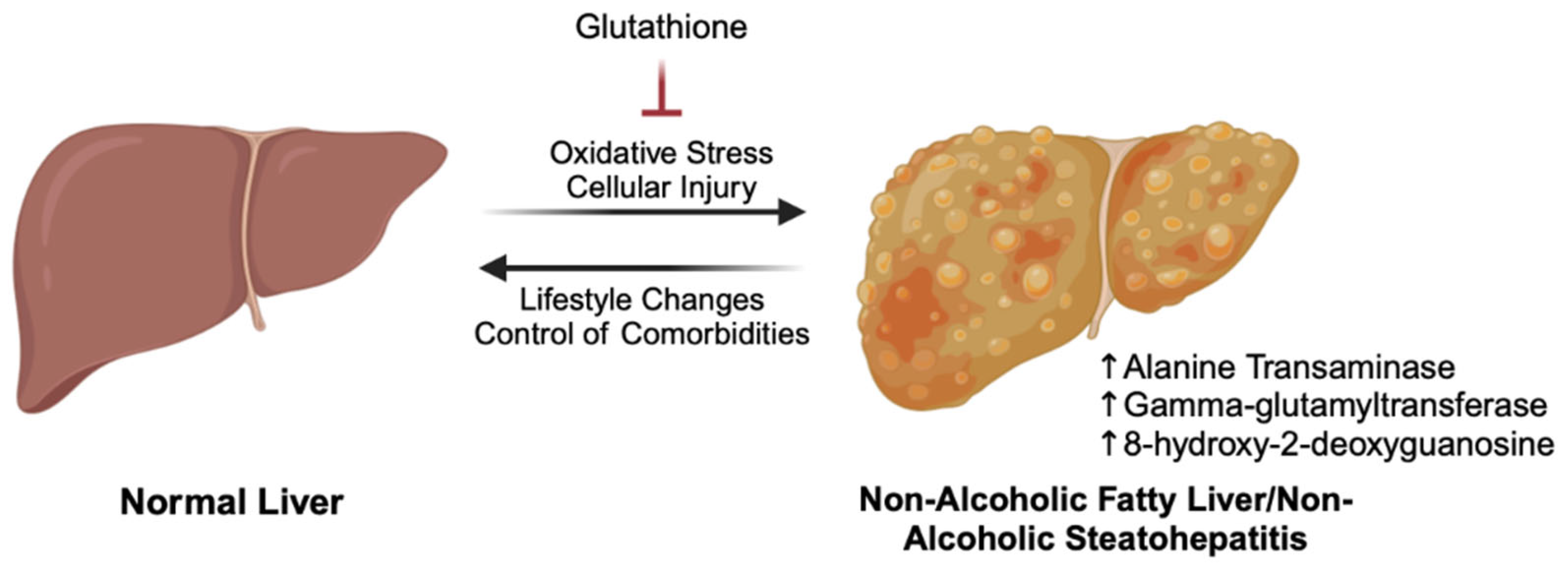
can glutathione damage liver disulfide sensitizes hepatocytes to TNFα-mediated cytotoxicity via IKK-β S-glutathionylation: a potential mechanism underlying non-alcoholic fatty disease Glutathione in liver diseases and
Description
It is strictly classified as a research compound and should only be handled by qualified professionals in laboratory settings

With phenyl and alkyl groups, DEHP has high lipophilicity, which was able to be inserted into the hydrophobic pocket of the target proteins
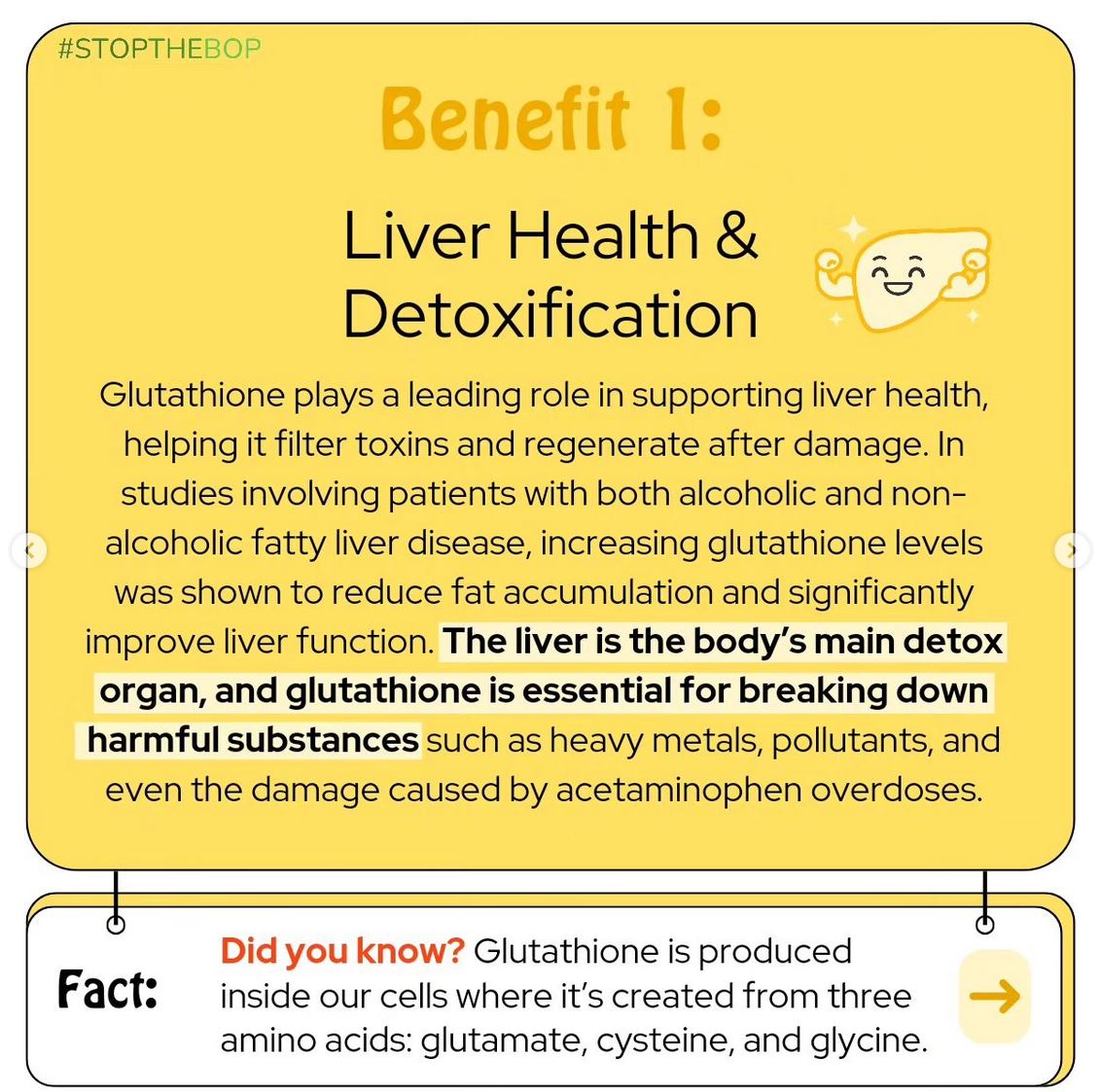
Oral glutathione, including liposomal forms, has generally been well tolerated in the clinical studies conducted so far, with no serious adverse effects reported at typical doses

doi: 10.1038/s42004-020-00412-y