FREE SHIPPING ON ORDERS OVER $150

acetyl l carnitine cell death l-Carnitine reduces reactive oxygen species/endoplasmic reticulum stress and maintains mitochondrial function during autophagy-mediated apoptosis in perfluorooctanesulfonate-treated renal tubular cells Molecular and biochemical evidence on

$26.01

Quantity
- +
Description

Diabetes Research and Clinical Practice

acetyl l carnitine cell death l-Carnitine reduces reactive oxygen species/endoplasmic reticulum stress and maintains mitochondrial function during autophagy-mediated apoptosis in perfluorooctanesulfonate-treated renal tubular cells Molecular and biochemical evidence on

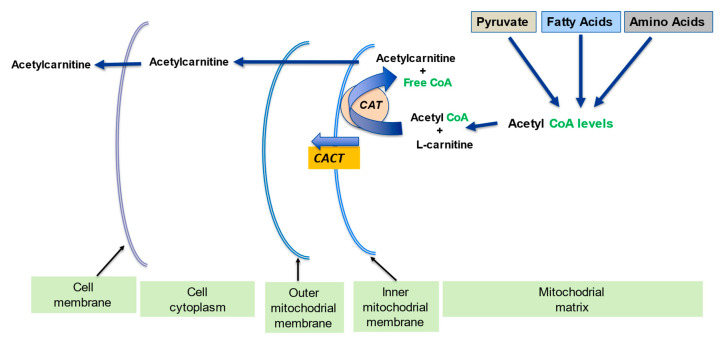
(More information) Because of its role in the transport of long-chain fatty acids from the cytosol to the mitochondrial matrix, L-carnitine is critical for mitochondrial fatty acid -oxidation
acetyl l carnitine cell death l-Carnitine reduces reactive oxygen species/endoplasmic reticulum stress and maintains mitochondrial function during autophagy-mediated apoptosis in perfluorooctanesulfonate-treated renal tubular cells Molecular and biochemical evidence on

J Clin Oncol

acetyl l carnitine cell death l-Carnitine reduces reactive oxygen species/endoplasmic reticulum stress and maintains mitochondrial function during autophagy-mediated apoptosis in perfluorooctanesulfonate-treated renal tubular cells Molecular and biochemical evidence on

OstroVit uses L-carnitine tartrate, i.e
acetyl l carnitine cell death l-Carnitine reduces reactive oxygen species/endoplasmic reticulum stress and maintains mitochondrial function during autophagy-mediated apoptosis in perfluorooctanesulfonate-treated renal tubular cells Molecular and biochemical evidence on

You may also like

recommand products