FREE SHIPPING ON ORDERS OVER $150

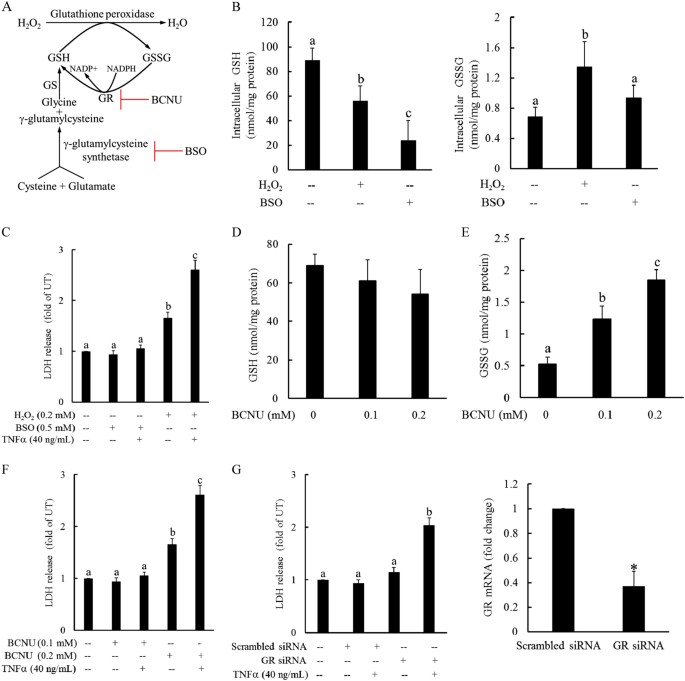
glutathione hepatotoxicity disulfide sensitizes hepatocytes to TNFα-mediated cytotoxicity via IKK-β S-glutathionylation: a potential mechanism underlying non-alcoholic fatty liver disease Solved The stepwise mechanism below

$23.89

Quantity
- +
Description

Instead, it is intended to provide long-term support for the bodys own regenerative processes
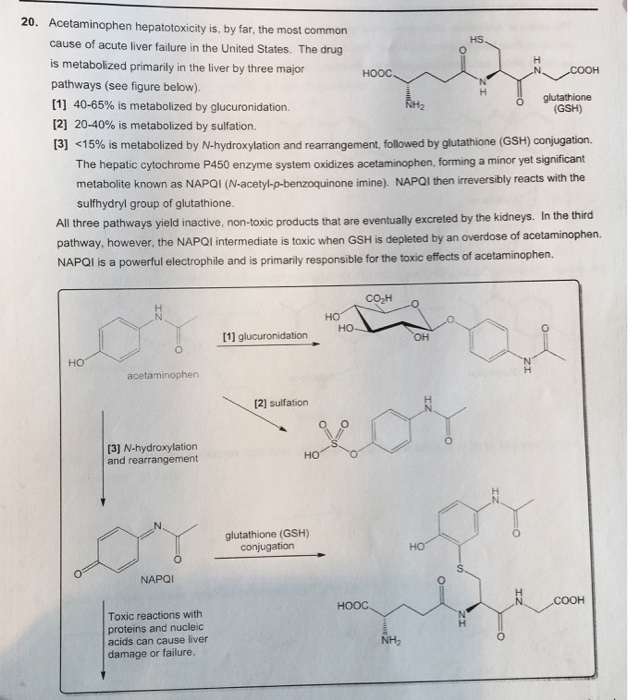
glutathione hepatotoxicity disulfide sensitizes hepatocytes to TNF-mediated cytotoxicity via IKK- S-glutathionylation: a potential mechanism underlying non-alcoholic fatty liver disease Solved The stepwise mechanism below

Boron Boron is a common mineral (found in leafy greens, nuts, legumes, and fruits) frequently lacking in the diet

glutathione hepatotoxicity disulfide sensitizes hepatocytes to TNF-mediated cytotoxicity via IKK- S-glutathionylation: a potential mechanism underlying non-alcoholic fatty liver disease Solved The stepwise mechanism below

One of the most well-established properties of GSH is its role in maintaining redox homeostasis, but it is also emerging as a mediator of redox signaling through mechanisms such as protein S-glutathionylation and/or GSNO-mediated protein S-nitrosylation (Zhang and Forman, 2012)

glutathione hepatotoxicity disulfide sensitizes hepatocytes to TNF-mediated cytotoxicity via IKK- S-glutathionylation: a potential mechanism underlying non-alcoholic fatty liver disease Solved The stepwise mechanism below

The most commonly reported effects are mild injection site reactions (redness, minor swelling), occasional headaches during the first few days, and rare instances of mild fatigue

glutathione hepatotoxicity disulfide sensitizes hepatocytes to TNF-mediated cytotoxicity via IKK- S-glutathionylation: a potential mechanism underlying non-alcoholic fatty liver disease Solved The stepwise mechanism below

You may also like

recommand products